October 26, 2026
Selecting suitable window treatments transforms a living space. Homeowners face a multitude of choices when outfitting room windows. Coverings offer privacy, temperature regulation, and aesthetic enhancement. People desire functional additions to interior designs. The decision between hard slatted options and soft fabric panels presents a common residential dilemma. Distinct advantages exist for these styles, requiring careful consideration of household needs. Property owners must evaluate multiple factors.
Slatted window coverings provide rigid structure, while fabric alternatives bring soft textures. Buyers must evaluate light control, privacy levels, and maintenance requirements. The choice hinges on specific room demands. Some spaces necessitate complete darkness, while other areas benefit from diffused sunlight. Comparing the features of available categories helps buyers navigate the selection process. Blinds and shades possess unique characteristics suited to different environments. Understanding these differences ensures lasting satisfaction.
Analyzing the Structure of Slatted Coverings
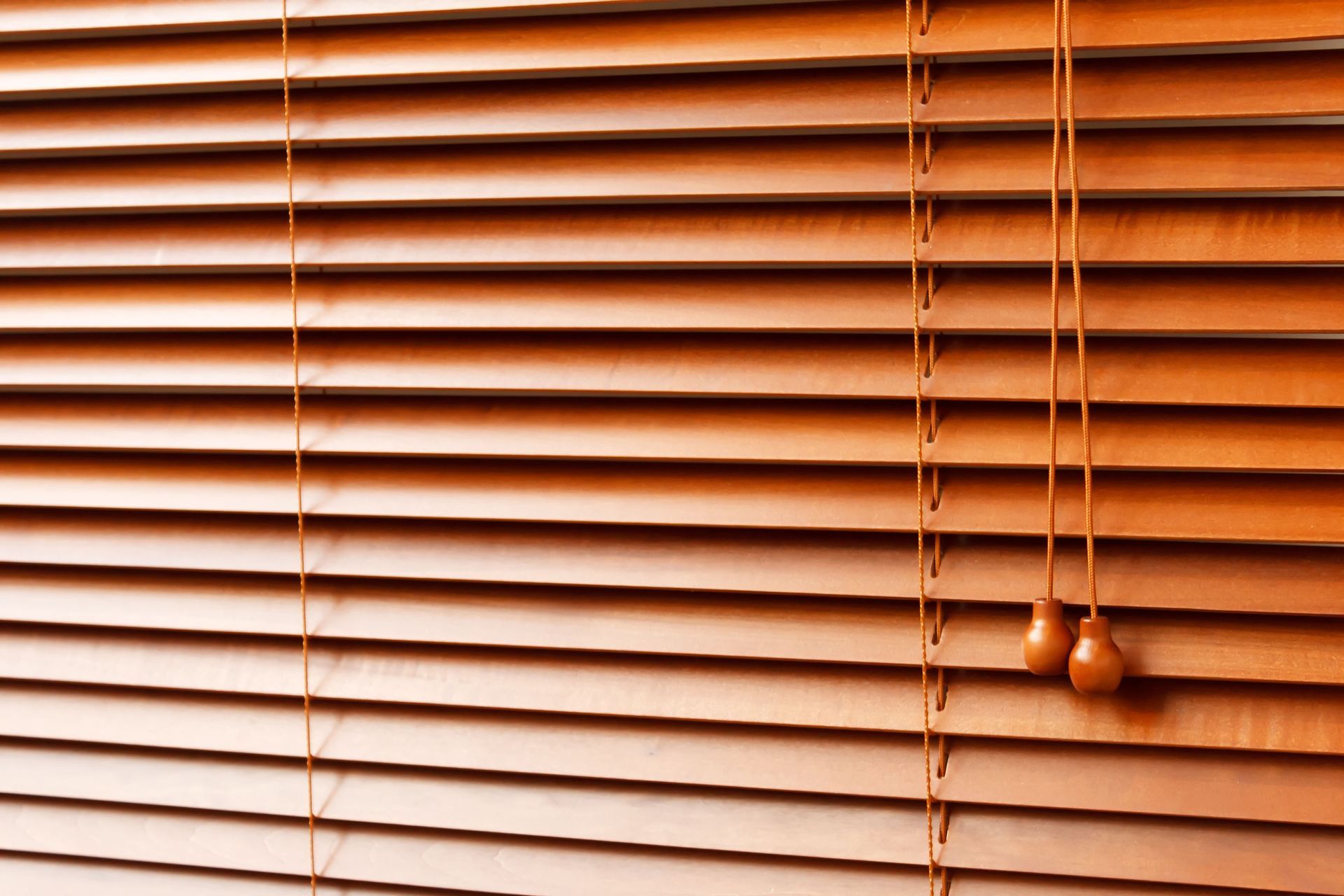
Hard window treatments feature horizontal or vertical slats constructed from wood, faux wood, metal, or composite materials. The rigid louvers tilt to regulate sunlight and visibility. According to the U.S. Department of Energy, blinds are the most commonly installed window treatment at 62%. Slatted options dominate residential spaces due to undeniable durability and versatile functionality. Consumers appreciate the solid construction and structural integrity.
The tilting mechanism grants users precise control over incoming sunlight. Adjusting the wand or cord alters the louver angle. This action directs sunlight toward the ceiling or floor, preventing glare on screens and furniture. Residents maintain outdoor views while obscuring interior living spaces from exterior observation. The structural design facilitates excellent airflow when windows remain open. Fresh breezes circulate through the gaps while blocking intense sun rays.
Material selection impacts aesthetic appeal and overall longevity. Natural wood brings warm elegance to bedrooms and living rooms. Faux wood resists moisture damage, making the synthetic material ideal for bathrooms and kitchens. Aluminum provides a lightweight, minimalist profile suitable for modern architecture. Blinds crafted from sturdy materials withstand daily manipulation without tearing or warping. The robust construction guarantees years of dependable performance in demanding household settings.
The horizontal nature of slats creates settling surfaces for airborne dust particles. Residents must wipe down each louver to maintain cleanliness. Rigid structures stack together when raised, creating a visual obstruction at the top of the window frame. Despite cleaning requirements, the sturdy build appeals to property buyers seeking long-lasting solutions. Dependable operation outweighs dusting chores for households prioritizing light control and privacy.
Analyzing the Structure of Fabric Coverings
Soft window treatments consist of continuous fabric panels pulled down over the glass. These options lack the tilting louvers found in rigid alternatives. Fabric materials roll, fold, or gather around a top headrail. The seamless design presents a clean, uninterrupted surface across the windowpane. Manufacturers utilize various textiles to achieve distinct visual textures and opacity levels. Flexible fabric introduces warm, inviting elements to cold room environments.
Consumers select fabrics based on desired room illumination. Sheer textiles diffuse sunlight into a soft glow while preserving exterior visibility. Room-darkening fabrics block maximum light penetration, creating optimal sleeping environments for bedrooms and home theaters. The absence of slatted gaps eliminates light leakage, ensuring complete coverage when the fabric panel reaches the windowsill. Solid textile panels deliver unparalleled room darkening capabilities.
Specific fabric designs incorporate insulative properties to improve energy efficiency. Cellular structures trap air within honeycomb-shaped pockets, creating a thermal barrier between the glass pane and interior space. This insulation prevents heat transfer during extreme weather conditions. The added energy efficiency helps residents maintain comfortable indoor temperatures throughout varying seasons without overburdening climate control systems. Thermal textiles lower utility bills by reducing reliance on climate control.
Soft textiles require gentle maintenance routines compared to rigid materials. Owners utilize vacuum brush attachments to remove surface dust. Stains present a significant challenge, as washing entire fabric panels proves difficult. Certain delicate materials absorb lingering household odors over time. The vast array of available patterns and colors allows decorators to match existing interior design palettes with incredible precision.
Analyzing the Function of Light Regulation
Managing natural light serves as a primary function for window treatments. The rigid slats offer variable degrees of illumination through incremental tilting. Blinds provide unparalleled flexibility for spaces experiencing changing sun angles throughout the day. Homeowners adjust the louvers to mitigate afternoon glare while retaining natural brightness. Precise articulation prevents fading on interior carpets and upholstery.
Fabric alternatives operate on a simple system of raised or lowered positions. The panel either covers the glass or exposes the pane. Top-down, bottom-up operational systems introduce additional versatility to soft coverings. This mechanism allows residents to lower the top section for natural light while keeping the bottom portion closed for personal privacy at the ground level. Adjustable mounting tracks provide innovative solutions for spaces requiring adaptable light management.
Street-facing windows demand stringent privacy measures. Angled louvers obscure interior views from neighborhood sidewalks while allowing occupants to look outside. The slatted construction of blinds prevents neighbors from peering into private domains. In contrast, sheer fabrics offer daytime privacy but become transparent when interior lights illuminate the house at night. Solid, opaque fabrics resolve nighttime privacy concerns but sacrifice daytime exterior views. Residents must balance visibility preferences against security needs.
Evaluating room utility dictates the appropriate lighting solution. Media rooms require darkness, favoring solid blackout fabrics over slatted coverings. Home offices benefit from adjustable light redirection to prevent computer screen glare. Living rooms and dining areas thrive with diffused illumination. Property owners must match the functionality of the chosen window covering to the specific activities occurring within each room. Customizing light filtration elevates the everyday living experience.
Analyzing the Demand of Daily Maintenance
Long-term satisfaction depends on required cleaning routines. Rigid coverings collect debris on horizontal surfaces, requiring dedicated dusting tools. Microfiber cloths trap settled dust from metallic slats. The cleaning process demands meticulous attention to detail to reach corners and string ladders without damaging the delicate tilting mechanisms. Consistent dusting prevents thick grime buildup on the flat horizontal window ledges.
Intensive cleaning involves wiping surfaces with damp cloths or specialized wood cleaners. Moisture exposure poses risks to natural wood products, necessitating immediate drying. Faux wood and aluminum withstand water exposure without warping or rusting. The rigid construction allows users to scrub stubborn grime without removing the entire treatment from the window frame. Resilient components survive accidental impacts from indoor pets and active children.
Soft window treatments simplify the dusting process due to vertical hanging orientations. Debris struggles to settle on vertical fabric planes. A light vacuuming session removes loose particles from the textile surface. However, liquid spills and pet stains require spot-cleaning with mild detergents. Aggressive scrubbing damages delicate fibers and alters the fabric coloration, leading to permanent visual blemishes. Specialized dry cleaning becomes necessary for severe stains on silk or linen textiles.
Household composition influences the lifespan of specific window coverings. Homes with shedding pets and active toddlers require durable, washable surfaces. Delicate silks and textured linens suffer under heavy residential traffic. Aluminum and composite materials withstand impact and resist clinging pet hair. Selecting the appropriate material ensures the window treatment remains beautiful and functional throughout years of continuous residential usage. Evaluating household habits prevents premature deterioration of newly purchased window investments.
The selection process demands a thorough evaluation of aesthetic preferences and functional requirements. Every room presents unique lighting and privacy challenges. Hard slatted coverings deliver precise sunlight manipulation and robust durability. Blinds suit environments requiring adjustable glare reduction and moisture resistance. Fabric alternatives bring soft warmth, diverse patterns, and exceptional insulation properties to bedroom and living spaces. Careful comparison leads buyers to the ideal combination of form and function. At Paul D'Orazio Custom Upholstery, we are ready to help you choose the ideal shades or blinds for your living spaces. Contact us today to schedule a design consultation.